


Understanding the Beauty of Mandala Designs
Mandalas have fascinated cultures around the world for centuries. These intricate designs are not only beautiful but rich in meaning. Whether used in spirituality, art therapy, or home décor, mandalas offer a unique way to express creativity and find inner peace. In this blog post, we will explore the history, designs, significance, and the basics of creating mandalas.
The Allure of Mandala Designs
The term 'mandala' originates from the ancient Indian language of Sanskrit, meaning "circle." This term aptly describes the circular nature of the designs. Mandalas appear in various forms, whether in intricate paintings, tattoos, or even on flooring tiles.
Mandalas are not simply artistic expressions; they convey a sense of wholeness and unity. Each design typically has a center point, which is surrounded by a series of elaborate patterns radiating outward. This structure represents the universe and serves as a guide for meditation.

The Evolution of Mandala Designs
Mandalas are found in various cultures worldwide, each representing unique elements of their society.
In Hinduism and Buddhism
In Hindu and Buddhist traditions, mandalas are used as spiritual symbols. They often represent deities and are employed in rituals and meditation practices. The Tibetan mandalas, for instance, are composed of intricate patterns that serve as maps of the universe— a way to express the cosmos.
In Native American Cultures
Native American tribes also use circular patterns to symbolize the connection between the earth and sky. Their designs often incorporate natural elements, emphasizing the significance of the land in their beliefs.
In Modern Art and Therapy
In contemporary society, mandalas have found a place in art therapy. Artists and therapists encourage individuals to create their own mandalas as a form of self-expression. This process can help one to focus, self-reflect, and practice mindfulness.
What is the rule for creating mandalas?
Creating a mandala can be a simple yet rewarding experience. While there are no rigid rules, there are several guidelines you may want to consider:
Start with a Center: Begin by choosing a point in the middle of your canvas or paper. This center will anchor your design.
Use Symmetry: As you create patterns, maintain symmetry around the center. This is key to achieving a balanced and harmonious look.
Incorporate Repetition: Repeating shapes and patterns helps unify the design. This can range from geometric shapes to floral patterns.
Choose Your Colors Wisely: Color choice plays a crucial role in mandala making. Different colors evoke different emotions; use them thoughtfully to express how you feel.
Allow for Flow: Don't rush the process. Let your creativity flow naturally. There’s no right or wrong in creating a mandala!
Therapeutic Benefits of Mandalas
Creating mandalas can have profound therapeutic effects. This form of art therapy encourages individuals to explore their emotions and thoughts. By concentrating on the creative process, one can enter a state of mindfulness, providing a break from daily stressors.
Enhanced Focus
The repetitive nature of mandala-making improves concentration. Focusing on the patterns, colors, and shapes helps quiet the mind and enhances clarity.
Emotional Expression
Mandalas provide a safe space to express feelings. By choosing colors and patterns that represent emotions, individuals can better understand and process their feelings.
Mindfulness and Meditation
Many find that creating mandalas triggers a meditative state. This practice fosters mindfulness, encouraging a connection between the body and mind.

How to Incorporate Mandalas into Your Life
Integrating mandala designs into your lifestyle can be easy and fulfilling. Here are some ideas:
Home Décor
You can enhance your living space by incorporating mandala motifs. Consider hanging wall art, having mandala-patterned cushions, or even creating a mandala garden in your yard.
Personal Expression
Use mandala designs in your personal belongings, like notebooks, phone cases, or clothing. This way, you carry a piece of art that reflects your personality wherever you go.
Mindfulness Practice
Incorporate mandalas in your mindfulness routine. Spend a few minutes painting a mandala each day. You may find peace and clarity through this daily ritual.
Mandala Dot Art
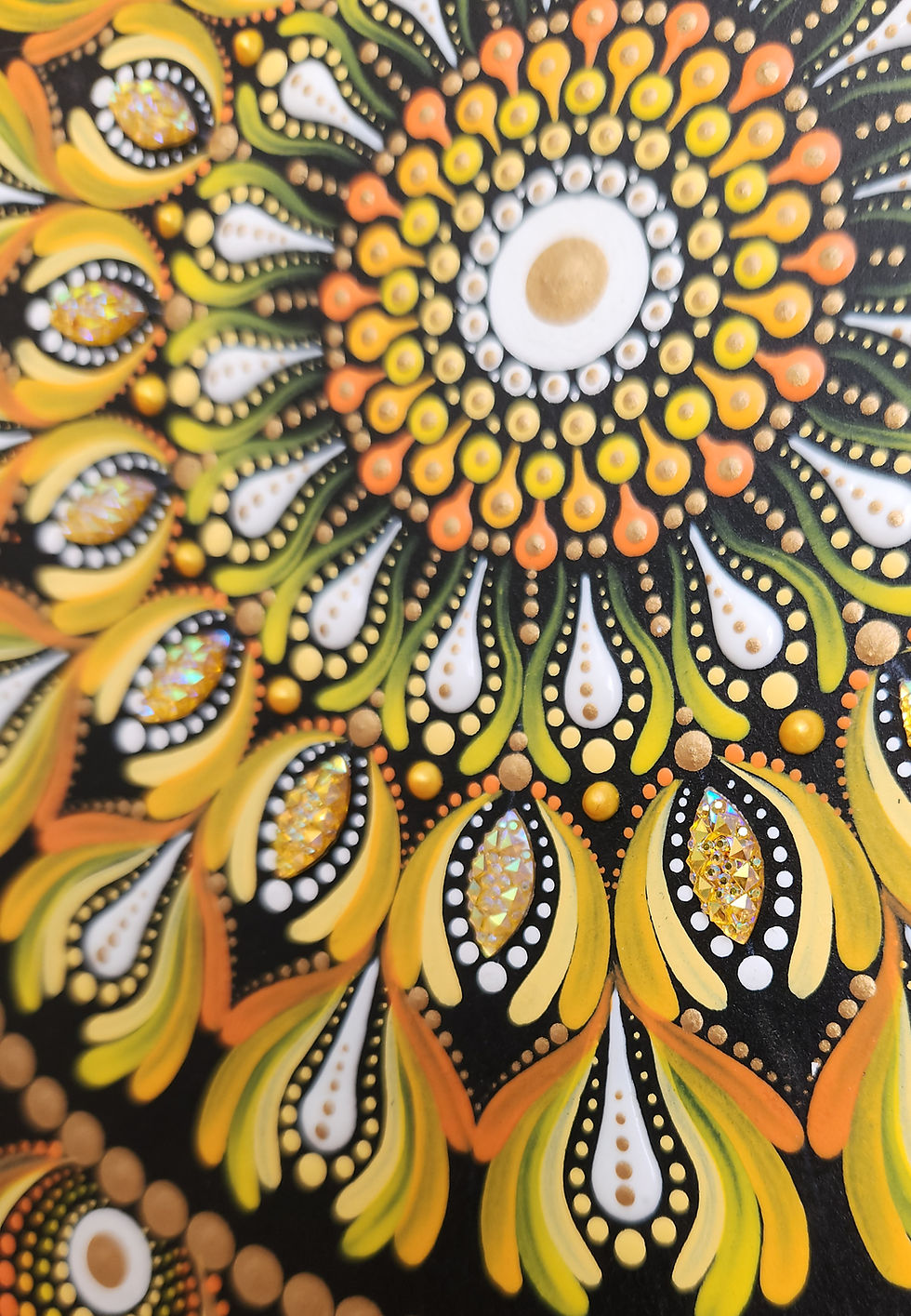
For those who enjoy dot painting, try your hand at mandala dot art techniques. This method involves creating intricate designs using dots in various colors, which can be quite meditative and rewarding.
The Future of Mandala Designs
As we continue to evolve as a society, the appreciation for mandalas endures. They serve as a bridge between art and spirituality, tradition and modernity.
Expect to see an increase in mandala art influencing various fields, including therapy, fashion, and interior design. With the growing emphasis on mental health and wellness, mandalas will undoubtedly gain more recognition as a tool for emotional healing and self-discovery.
Creating and appreciating mandalas can bring joy, peace, and understanding into our lives. Whether you explore these designs through art, meditation, or personal expression, mandalas offer endless opportunities to connect with oneself and the world around us.
Embrace the beauty of mandala designs and discover how they can enrich your life today!

Comments